
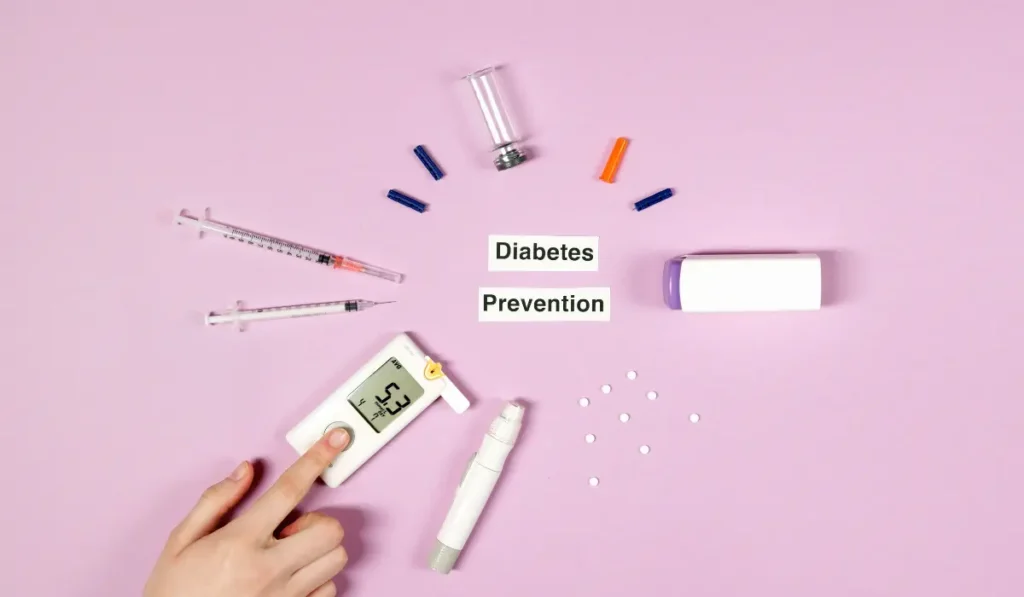
GLP-1 medications for seniors are becoming a common topic as more older adults look for better options to manage type 2 diabetes, obesity, heart risk, and long-term metabolic health. These medicines can help lower blood sugar, reduce appetite, support weight loss, and improve certain cardiovascular outcomes in selected patients.
However, seniors need a more careful approach than younger adults. Age, muscle loss, frailty, kidney function, digestion, appetite, other medications, and fall risk all matter. GLP-1 drugs can be helpful, but they should be used with medical guidance, regular monitoring, and a plan that protects strength and nutrition.
What Are GLP-1 Medications?
GLP-1 medications, also called GLP-1 receptor agonists, are medicines that copy the action of a natural gut hormone called glucagon-like peptide-1. They help the body release insulin when blood sugar is high, reduce glucagon, slow stomach emptying, and increase fullness after eating. These effects can help with blood sugar control and weight management.
Common GLP-1 drugs include semaglutide, liraglutide, dulaglutide, and exenatide. Tirzepatide is often discussed with this group because it targets both GIP and GLP-1 pathways. Some of these medicines are prescribed for type 2 diabetes, while others are approved for chronic weight management in people who meet medical criteria.
Why Seniors May Use GLP-1 Medications?
Older adults may be prescribed GLP-1 medications for several reasons. The most common reason is type 2 diabetes management, especially when blood sugar remains above target despite lifestyle changes or other medicines.
Some seniors may also use GLP-1 medications for weight loss if excess weight is increasing their risk of heart disease, joint pain, sleep apnea, fatty liver disease, or poor mobility. At diabetes-approved doses, GLP-1 receptor agonists can lower blood glucose and reduce weight by about 3% to 5% of initial weight, while higher-dose obesity medications may produce greater weight loss in eligible patients.
Potential Benefits for Older Adults
One major benefit of GLP-1 medications is blood sugar control without the same hypoglycemia risk seen with some older diabetes medicines, especially when not combined with insulin or sulfonylureas. This matters because low blood sugar can be more dangerous in seniors and may increase the risk of falls, confusion, and hospitalization.
Cardiovascular protection is another important benefit. Diabetes care guidance notes that GLP-1 receptor agonists have reduced major adverse cardiovascular events, cardiovascular deaths, stroke, and heart attack to a similar degree in people older and younger than 65.
Weight loss may also help some seniors move more comfortably, reduce pressure on joints, improve blood pressure, and support better daily function. Still, weight loss should be intentional and monitored, not rapid or nutritionally harmful.
Key Risks Seniors Should Know
The most common side effects of GLP-1 medications are digestive. These can include nausea, vomiting, diarrhea, loss of appetite, indigestion, and stomach discomfort, especially when starting the medicine or increasing the dose.
For seniors, these side effects can be more than just inconvenient. Vomiting or diarrhea can lead to dehydration, dizziness, weakness, electrolyte problems, and falls. A reduced appetite can also make it harder to get enough protein, calories, and nutrients.
Another concern is muscle loss. Older adults naturally lose muscle with age, and weight loss can worsen this if nutrition and resistance exercise are not part of the plan. Reviews of obesity medication use in older adults note that GLP-1 and related therapies show promising weight loss and safety outcomes, but more research is needed on preserving muscle and bone mass
Who Should Be Extra Careful?
GLP-1 medications may not be suitable for every senior. Extra caution is needed for older adults with frailty, poor appetite, unplanned weight loss, frequent falls, severe digestive disease, dehydration risk, advanced kidney problems, or complex medication schedules.
People with a history of pancreatitis, certain thyroid cancer risks, gallbladder problems, or severe gastrointestinal symptoms should discuss these concerns carefully with a doctor. Medication choice should also consider kidney function, heart disease, blood sugar targets, and overall life expectancy.
GLP-1 Medications and Nutrition in Seniors
Nutrition is one of the most important parts of GLP-1 treatment for older adults. Because these medications reduce appetite, seniors may eat less without realizing they are missing protein, fluids, fiber, or key nutrients.
A safer plan usually includes protein with each meal, hydration throughout the day, vegetables, fruits, whole grains, healthy fats, and strength-supporting activity when possible. Resistance exercise, walking, physical therapy, or light strength training can help protect muscle during weight loss.
Starting Low and Monitoring Closely
Many providers use a “start low and go slow” approach with GLP-1 medications. This means beginning at a low dose and increasing gradually only if the medicine is tolerated. Seniors should report nausea, vomiting, constipation, dizziness, weakness, poor appetite, or rapid weight loss.
Regular follow-up may include checking weight, blood sugar, kidney function, blood pressure, nutrition status, and medication interactions. If the senior uses insulin or sulfonylureas, doses may need adjustment to reduce low blood sugar risk.
Are GLP-1 Medications Safe for Seniors?
GLP-1 medications can be safe and effective for many older adults when prescribed appropriately. However, safety depends on the person’s health status, goals, side effects, and ability to maintain nutrition and hydration.
There is no one-size-fits-all answer. A healthy 67-year-old with type 2 diabetes and obesity may have very different needs than an 85-year-old with frailty, poor appetite, and multiple chronic conditions. The best decision should be individualized.
Final Thoughts
GLP-1 medications for seniors can support diabetes control, weight management, and heart health in selected older adults. They may offer meaningful benefits, especially for seniors with type 2 diabetes, obesity, and cardiovascular risk.
Still, these medicines require careful use. Seniors should be monitored for nausea, dehydration, rapid weight loss, muscle loss, weakness, and medication interactions. The safest approach combines medical supervision, balanced nutrition, physical activity, and realistic health goals.
FAQs
GLP-1 medications can be safe for many seniors when prescribed carefully. Doctors should monitor side effects, hydration, nutrition, kidney function, and other medications.
They are commonly used for type 2 diabetes and sometimes weight management. Some may also help reduce cardiovascular risk in selected patients.
Common side effects include nausea, vomiting, diarrhea, constipation, appetite loss, indigestion, and stomach discomfort, especially during dose increases.
Weight loss can contribute to muscle loss if protein intake and strength activity are low. Seniors should follow a nutrition and exercise plan.
Frail seniors need extra caution. Appetite loss, dehydration, weakness, and rapid weight loss can be risky, so treatment should be highly individualized.
Many seniors benefit from slower dose increases and close monitoring. The right dose depends on tolerance, health goals, side effects, and medical history.
Reference
- NIDDK – Medications for Weight Management in Diabetes Care
https://www.niddk.nih.gov/health-information/professionals/diabetes-discoveries-practice/new-in-medications-for-weight-management - PMC – Pharmacological Treatment of Obesity in Older Adults
https://pmc.ncbi.nlm.nih.gov/articles/PMC11554829/