
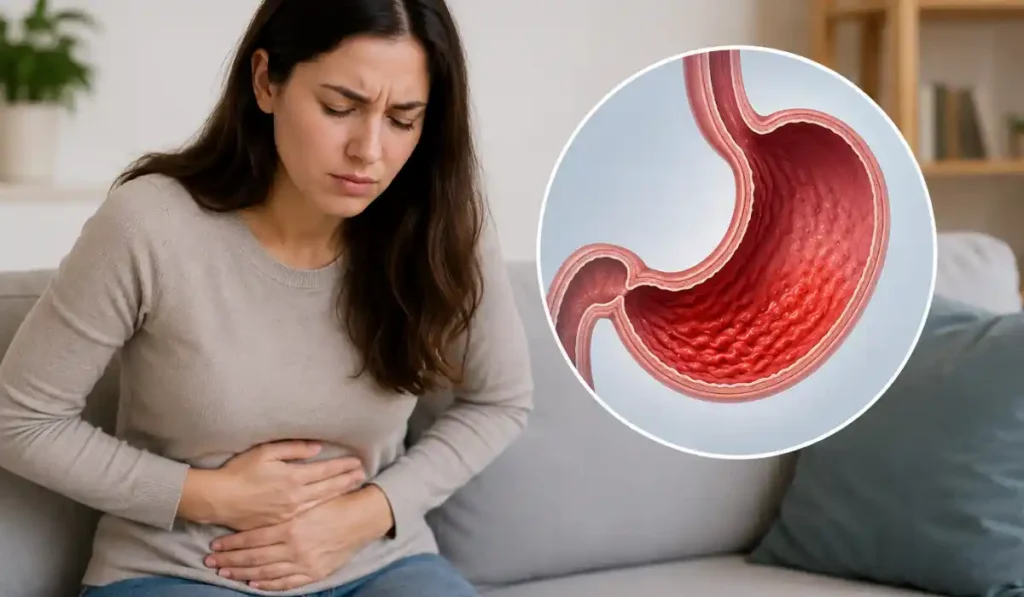
Autoimmune gastritis is a chronic condition where the immune system mistakenly attacks healthy cells in the stomach lining. If you are wondering what is autoimmune gastritis, the simple answer is that it is a long-term type of stomach inflammation that can affect acid production, digestion, and vitamin absorption.
Many people do not notice symptoms at first. Over time, autoimmune gastritis can lead to low stomach acid, iron deficiency, vitamin B12 deficiency, or pernicious anemia.
What Happens in Autoimmune Gastritis?
The stomach lining has special cells called parietal cells. These cells help make stomach acid and intrinsic factor. Intrinsic factor is needed for the body to absorb vitamin B12 properly.
In autoimmune gastritis, the immune system attacks these stomach cells. As the stomach lining becomes thinner or weaker over time, the body may not absorb certain nutrients well. This can lead to fatigue, anemia, nerve symptoms, and other health problems.
Common Symptoms
Autoimmune gastritis can be quiet for years. Some people only find out after blood tests show low iron, low vitamin B12, or anemia.
Possible symptoms include upper stomach discomfort, nausea, bloating, feeling full quickly, loss of appetite, tiredness, weakness, dizziness, shortness of breath, pale skin, or unexplained weight changes.
Vitamin B12 Deficiency and Pernicious Anemia
One important concern with autoimmune gastritis is vitamin B12 deficiency. When the stomach does not make enough intrinsic factor, the body may struggle to absorb B12 from food.
Low B12 can lead to pernicious anemia. Symptoms may include fatigue, weakness, numbness, tingling, memory problems, balance issues, mood changes, and a sore or smooth tongue. Pernicious anemia as a late-stage sign of autoimmune gastritis linked with vitamin B12 deficiency and macrocytic anemia.
What Causes It?
Autoimmune gastritis happens because of an immune system mistake. The exact reason is not always clear. It may be more common in people who already have other autoimmune conditions, especially autoimmune thyroid disease, type 1 diabetes, or vitiligo.
This condition is different from gastritis caused by alcohol, NSAID pain relievers, bile reflux, or H. pylori infection. However, doctors may still check for H. pylori because it is a common cause of chronic gastritis and can also damage the stomach lining.
How Is Autoimmune Gastritis Diagnosed?
A healthcare provider may begin with symptoms, medical history, family history, and blood tests. Blood tests may check complete blood count, iron, ferritin, vitamin B12, folate, gastrin, antibodies, and other markers.
An upper endoscopy may also be recommended. During this test, a thin flexible tube with a camera is used to look at the stomach lining. Small tissue samples, called biopsies, may be taken to confirm inflammation, thinning, or other changes. Doctors may use upper GI endoscopy with biopsies, blood tests, stool tests, breath tests, or imaging to diagnose gastritis and check causes.
Treatment Options
Treatment depends on what the person needs. Autoimmune gastritis itself is usually managed long term rather than “cured” quickly.
If vitamin B12 is low, doctors may recommend B12 supplements or injections. If iron is low, iron supplementation may be needed. NIDDK states that doctors may recommend iron, folic acid, and vitamin B12 supplements for autoimmune gastritis, and B12 injections when pernicious anemia develops.
Some people may also need regular monitoring with blood tests or endoscopy, especially if the stomach lining has advanced changes. Surveillance decisions should be individualized, and people with autoimmune gastritis may need evaluation for gastric neuroendocrine tumors.
Food and Lifestyle Tips
There is no single autoimmune gastritis diet that works for everyone. The goal is to support digestion, reduce irritation, and correct nutrient deficiencies.
Helpful habits may include eating smaller meals, avoiding foods that worsen symptoms, limiting alcohol, avoiding smoking, and being careful with frequent NSAID pain reliever use unless approved by a doctor. People with low B12 or iron should follow their provider’s supplement plan instead of guessing doses.
Good nutrition matters, but diet alone cannot fix autoimmune damage to the stomach lining.
When to Seek Medical Help?
See a healthcare provider if you have ongoing stomach discomfort, unexplained fatigue, weakness, dizziness, numbness, tingling, pale skin, fast heartbeat, shortness of breath, or unexplained weight loss.
Seek urgent care for vomiting blood, black stools, severe abdominal pain, fainting, chest pain, confusion, or severe weakness. These signs may point to bleeding, serious anemia, or another urgent problem.
Final Thoughts
Autoimmune gastritis is a long-term stomach condition that can affect digestion, stomach acid, iron absorption, and vitamin B12 absorption. Some people have few symptoms, while others develop anemia, fatigue, or nerve-related symptoms.
Early diagnosis helps. Blood tests, endoscopy, nutrient monitoring, and proper supplementation can reduce complications and help people manage the condition safely over time.
FAQs
Autoimmune gastritis is a chronic condition where the immune system attacks stomach lining cells, which can reduce stomach acid and affect nutrient absorption.
Symptoms may include bloating, nausea, stomach discomfort, fatigue, weakness, low appetite, dizziness, numbness, tingling, or signs of iron or B12 deficiency.
Yes. It can reduce intrinsic factor, which the body needs to absorb vitamin B12. This may lead to pernicious anemia over time.
No. Regular gastritis can have many causes, including infection or irritants. Autoimmune gastritis happens when the immune system attacks stomach cells.
Doctors may use blood tests, antibody tests, vitamin and iron levels, gastrin levels, and upper endoscopy with biopsy to confirm the condition.
There is no simple cure, but it can be managed with monitoring, B12 or iron treatment, symptom care, and follow-up with a healthcare provider.
Reference
- NIDDK – Definition & Facts for Gastritis and Gastropathy
https://www.niddk.nih.gov/health-information/digestive-diseases/gastritis-gastropathy/definition-facts - NIDDK – Treatment of Gastritis and Gastropathy
https://www.niddk.nih.gov/health-information/digestive-diseases/gastritis-gastropathy/treatment